

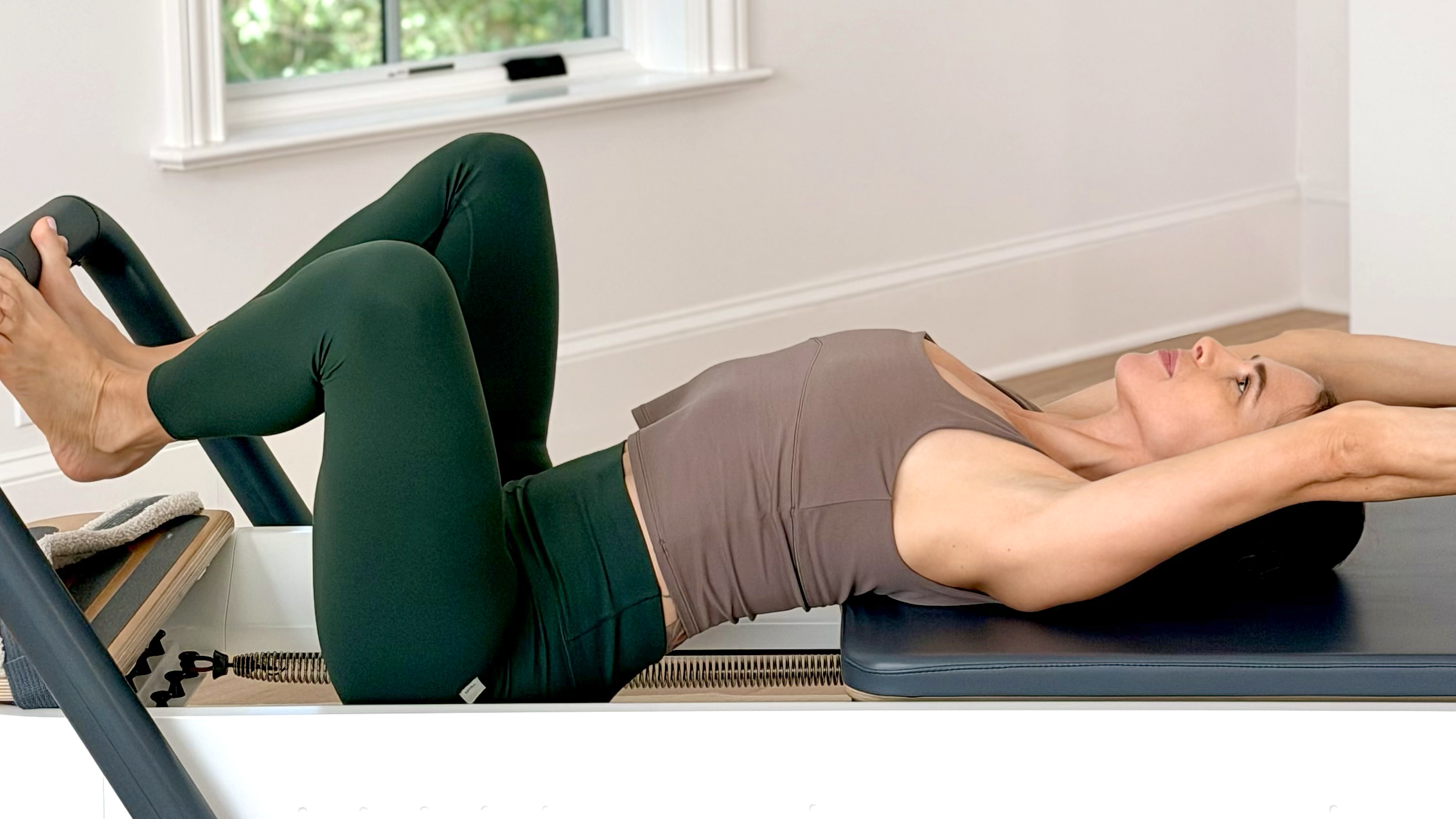


Intuitive movement is less about doing more and more about noticing what’s already there.
It’s the practice of listening to your body before deciding how to move—honoring sensation, energy levels, and subtle cues rather than following a rigid set of rules. Some days that might mean flowing with rhythm and strength. Other days, it might look like slowing down, shortening your range, or choosing rest.
And all of it counts.
Where intuitive movement fits into Pilates
Pilates, at its core, was never meant to be mechanical or disconnected. Joseph Pilates emphasized control, breath, and awareness—principles that naturally invite intuition into the practice.
When you move intuitively within Pilates, you’re still working with structure, alignment, and intention—but you’re allowing your body to participate in the conversation.
Instead of asking:
- How many reps should I do?
- How hard should this feel?
You might begin to ask:
- What do I notice right now?
- Where does this feel supportive?
- What would feel better—or clearer—in my body today?
That shift can be subtle, but it’s powerful.
Intuition doesn’t mean “no structure”
There’s a common misconception that intuitive movement means doing whatever you feel like, without guidance or form. In reality, intuition thrives within structure.
Think of it like learning a language. Technique gives you the vocabulary. Intuition helps you form your own sentences.
A well-designed Pilates class provides:
- Clear sequencing
- Thoughtful progressions
- Purposeful cueing
From there, intuition allows you to:
- Take a pause when your body asks for one
- Modify range or resistance
- Choose a level that matches how you feel—not just how you think you should feel
This is where practice becomes personal.
Why intuitive movement matters
When we override our body’s signals for too long, movement can start to feel like something we push through rather than something that supports us.
Intuitive movement helps:
- Build long-term consistency (because it feels sustainable)
- Improve body awareness and coordination
- Reduce the risk of burnout or injury
- Create a more trusting relationship with your body
Over time, you may notice that your strength, confidence, and clarity actually deepen—not because you’re forcing progress, but because you’re allowing it.
How to invite more intuition into your practice
You don’t need to change everything to move more intuitively. Small shifts can make a big difference.
Try this:
- Start with a check-in. Before pressing play, notice how your body feels—tight, energized, heavy, open.
- Let sensation guide you. If something feels rushed or unclear, slow it down.
- Honor your capacity. A shorter workout done with presence can be more impactful than a longer one done on autopilot.
- Stay curious. Instead of judging how a class feels, observe it.
There’s no “right” experience—just information.
Movement as a conversation, not a command
One of the most meaningful changes that comes with intuitive movement is the shift from control to collaboration.
You’re no longer telling your body what to do.
You’re listening—and responding.
Some days, your body wants challenge.
Some days, it wants simplicity.
Some days, it surprises you.
All of that is part of the practice.
Inside Saran Pilates, intuitive movement is woven into thoughtful programming, clear cueing, and a range of levels—so you can meet your body where it is and still feel supported as you grow.
Press play. Tune in. Move with intention.
Not a member? Start your free trial today!


