

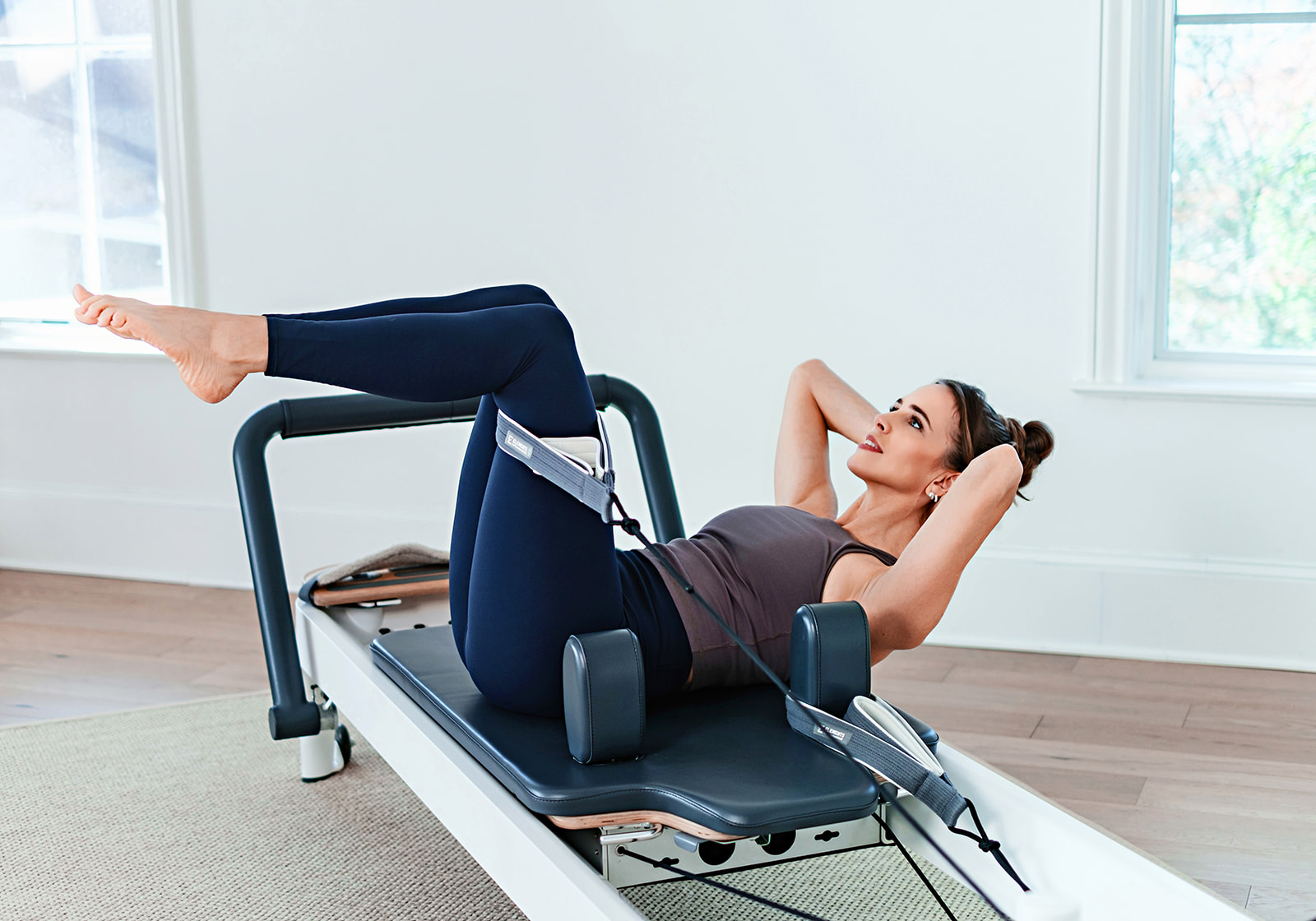


I like to refer to Pilates as a practice.
It’s something I often talk about in my social media posts and throughout my on-demand reformer Pilates classes—because that word matters. A practice isn’t something you do once in a while or only when you feel motivated. A practice is something you return to. It evolves with you. It meets you where you are on any given day, while still asking for your attention and presence.
This idea of Pilates as a practice is really what sets it apart from many other forms of exercise. Unlike workouts that are designed to burn, push, or exhaust, Pilates was created to be revisited, refined, and built upon over time. It’s not about chasing intensity—it’s about cultivating awareness, strength, and control through consistency.
When Pilates is approached this way, the question shifts. It’s no longer:
“How hard should I go?”
It becomes:
“How often should I return to this work so it actually supports my body?”
That’s why one of the most common questions Pilates enthusiasts ask—whether they’re new to the reformer or deeply immersed in their practice—is:
How often should I do Pilates to actually see results?
Why Frequency Matters More Than Intensity in Pilates
Pilates was designed as a practice long before it became a fitness trend. From its origins with Joseph Pilates, the method emphasized repetition, precision, and intentional movement rather than exhaustion or overload.
This is why doing Pilates sporadically—no matter how challenging the class—often leads to:
- Inconsistent strength gains
- Plateaued progress
- Feeling disconnected from the work
Consistency allows your nervous system, joints, and deep stabilizing muscles to adapt. Intensity without consistency rarely does.
The Sweet Spot: 2–4 Reformer Pilates Sessions Per Week
For most Pilates enthusiasts, the ideal frequency falls between two and four reformer Pilates workouts per week.
Here’s why:
2 Sessions Per Week
- Ideal for maintaining strength and mobility
- Supports posture, core stability, and joint health
- A great baseline if you’re combining Pilates with other movement
3 Sessions Per Week
- Often the “sweet spot” for visible progress
- Strength, coordination, and control improve noticeably
- Enough repetition to refine technique
4 Sessions Per Week
- Best for those wanting to progress more intentionally
- Allows for varied class styles (flow, strength, shorter sessions)
- Still sustainable when programming is well structured
Pilates can absolutely be practiced daily, but that doesn’t mean every session needs to be intense. Daily practice often includes shorter classes, breath-focused work, and intentional core strengthening. The goal isn’t exhaustion—it’s consistency and support.
Why Level-Based Programming Makes Frequency Work
One reason Pilates enthusiasts struggle with consistency—especially online—is not knowing whether they’re choosing the right class.
Level-based programming solves this by:
- Matching technical demands to your current ability
- Preventing overload on joints and wrists
- Allowing repetition without boredom
- Supporting gradual, confident progression
When classes are clearly leveled, your body knows what to expect—and you’re far more likely to show up consistently.
Short Sessions Still Count
Another misconception? That Pilates only “works” if you have an hour.
In reality:
- A focused 20–30 minute reformer session can be incredibly effective
- Shorter classes support consistency on busy days
- They reinforce technique without draining energy
Mixing full-length classes with shorter, targeted sessions often leads to better results than only doing long workouts sporadically.
Listening to Your Body Without Guessing
Pilates encourages awareness—but awareness thrives within structure.
A well-designed reformer Pilates routine helps you:
- Recognize when your body needs challenge vs. grounding
- Alternate strength-focused days with more fluid, restorative movement
- Build trust in your practice instead of second-guessing it
This balance is what keeps Pilates sustainable over months and years—not just weeks.
What Matters Most: A Practice You Can Maintain
The most effective Pilates routine is the one you can return to again and again.
Rather than asking:
“How much Pilates should I be doing?”
Try asking:
“What frequency allows me to stay consistent, feel supported, and continue progressing?”
That’s where real change happens.
At Saran Pilates, this philosophy guides every program: structured, level-based reformer Pilates designed to replicate a studio experience—so your practice feels intentional, clear, and sustainable at home.
Because Pilates isn’t about doing more.
It’s about doing it well—consistently.
Start your 7-day free trial today and access hundreds of my on-demand workouts right from your home!
Gabrielle Saran


